It was a hot muggy August day when the incident began. Roy called me to tell me he was going to Urgent Care because his hives had transitioned to jaundice and he had abdominal cramps; I left a freshman retreat with my newly hired staff to meet him there. I didn’t go back to work until late October; he didn’t go back until spring and then only part-time as he regained his strength.
We are fortunate to work in higher education at a state institution, so we have health insurance coverage. Urgent Care labs indicated elevated bilirubin levels at 11.6 (normal is 1.0 or less) and he got a prescription for Atarax and scheduled to see a gastroenterologist in two days. A CT scan and ultrasound didn’t show any structural problems so blood was drawn again to look at his biochemistry. As he got worse, we found he was in an administrative crack because he did not have an established PCP to refer him back. A day of phone calls to request a doctor’s call and multiple conversations with nurse Sandy finally yielded a trip to the lab and a second appointment with a gastroenterologist that day. [Lesson Learned: Be insistent and ask for what your patient needs.]

Photo by oldskool photography on Unsplash
Roy was YELLOW and could not stand to be touched. He was not sleeping and not eating. We didn’t really know what we were facing just that he was miserable. While we waited for the gastroenterologist, the labs got rushed. And thin clinic walls yielded the information that Roy’s bilirubin level had jumped from an 11 (Wednesday) to a 19 (Friday) and was now at 29 (Monday). We didn’t really know what that meant but it didn’t sound good.
All the hepatitis screens came back negative. However, the extreme elevation of bilirubin indicated liver damage and when he was told a transplant might be needed, Roy left the room to throw up. The liver can repair but it would depend on the level of damage done. The next step would be a liver biopsy to address what was now named “Acute Fulminant Hepatic Failure.” The gastroenterologist suggested that I look at university medical sites for more information so I did. I took notes and at the bottom of the page, I summed it up with one word, “scary”:
- Acute Liver Failure – 80-90% fatal 1 in 10 survive
- Mental changes occur within 8 weeks of onset
- Treatments include IVs, meds, blood transfusions, hemodialysis
- Many go to ICU
- Most effective treatment is a transplant
- Transplant = higher survival rate

Photo by Tim Goedhart on Unsplash
Given the situation, Roy was no longer allowed to drive (they postulated his education level would mask cognitive glitches). He had to rest, avoid infection, stay hydrated, and needed to eat (vegetable protein only). After a visit with a dietician, we started logging his diet in a food diary. He was losing weight rapidly. Biopsy seemed too dangerous so the doctors opted for ultrasound and labs. After another week, the bilirubin hit 39.7 and contact with the liver transplant center started. Roy would need to be evaluated in Dallas. We did other paperwork we thought we’d need: living wills, health care durable power of attorney, and wills. Roy also planned his funeral.
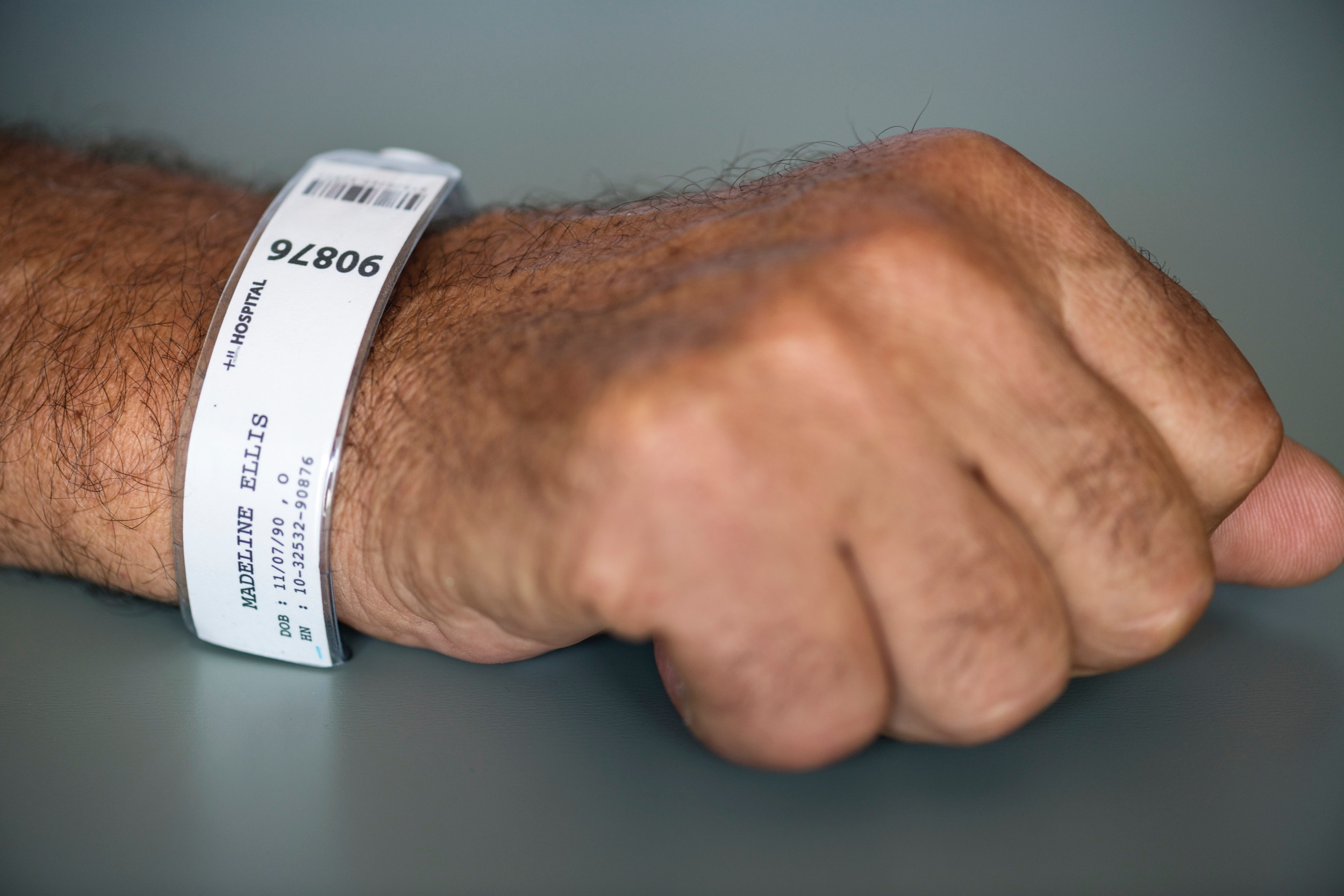
Photo by rawpixel on Unsplash
A few weeks later, Roy went through a week-long transplant evaluation in Dallas. Medical personnel would turn to look at him when we walked the halls but Roy was so miserable he didn’t even notice – probably because his bilirubin hit a high of 44.6 that Monday. His hepatologist called his situation “Disease X” and said it was not “subfulminant hepatic failure” but an issue with his bile ducts – maybe chronic cholengitis? maybe PBC? maybe PSC? The following week, Roy had an ERCP for “cryptogenic cirrhosis” but they didn’t find any obstructions, lesions or perforations. The next day he had a liver biopsy. The hepatologist reported that his tissue was not as damaged as anticipated but it looked like the bile ducts were attacked by a toxin. Nonetheless, two weeks later, the evaluation committee put him on the transplant list in an inactive status in early October with “bland cholestasis.”
We made it through the first Great Liver Incident through the love and support of friends and family. Cathy, Sally, Ruth, and Rene coordinated things around the house and meals for Roy’s restricted diet. Family, neighbors and friends visited, sent cards, or performed acts of kindness that made things easier and reminded us that we were loved. It’s impossible for them to know how much each thought or action meant to us and we are still grateful. We shared the information as things happened through our email “Roy Report” which is why this blog also has that name.
Roy never got activated on the transplant list. His liver function tests improved over time without that and he went back to work full-time. A year later, he was back to normal levels in his labs. The last time he saw him, the hepatologist decided to name the incident as “benign recurrent interpatic cholestasis.” Slowly the jaundice, the itching, and the other symptoms abated. We never knew what caused the incident. We never knew what fixed it either. We didn’t even really have a solid diagnosis for it. We just thought of our lives together as “before the liver incident” and “after the liver incident.”
And 15 years later, he turned yellow again.

 Waiting
Leave a reply to Jessica J.E. Smith Cancel reply